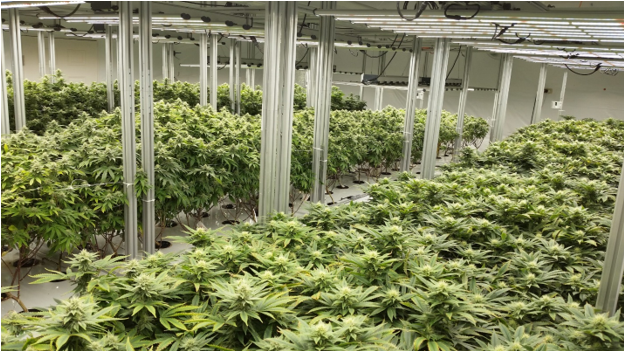
Running a licensed cannabis cultivation facility looks nothing like managing a home grow. At scale, every decision compounds a small mistake; sourcing translates into thousands of dollars in lost yield and weeks of production disruption. That’s why commercial operators approach a cannabis plant supplier relationship as a strategic partnership rather than a simple supplier arrangement, and why the wholesale clone market operates on entirely different rules than the retail one. A commercial relationship with a Marijuana Nursery should be managed through written specifications, delivery schedules, quality standards, and escalation procedures.
Define Batch Specifications
Commercial orders should be described in writing. Useful specifications include variety, quantity, acceptable size range, rooting medium, label format, estimated readiness date, and transport method. The buyer and supplier should also agree on how shortages, substitutions, and plants outside the standard will be handled. A detailed specification reduces assumptions and gives receiving staff a clear basis for inspection.
Confirm Capacity and Lead Time
The first commercial priority is capacity. A professional cannabis plant supplier supplying commercial cultivators needs to reliably deliver hundreds or thousands of clones on a scheduled cadence, often weekly or biweekly, without gaps. That requires substantial mother-plant infrastructure: dedicated rooms with independent climate control, robust IPM programs, tissue testing labs, and staff trained specifically in mother management and clone production techniques at industrial scale.
Define Batch Specifications: Additional Considerations
Bulk clone orders move through a different logistics chain than retail plants. Instead of a single insulated box carrying a dozen clones to a home grower, wholesale deliveries involve pallets, refrigerated trucks, and coordinated pickup or drop-off windows tied to the buyer’s production schedule. Timing is everything; a delivery that arrives a day late throws off transplant crews, delays canopy fill, and cascades through every downstream stage of the cultivation cycle. Orders of Wholesale Cannabis Clones require more coordination than retail purchases because batch uniformity and timing affect the wider production plan.
Coordinate Transport and Receiving
Large plant batches need stable containers, organized trays, temperature awareness, and a delivery window that matches the receiving team’s schedule. Staff should have enough clean space to count, photograph, label, and inspect the order before it enters production. A delay of several hours can matter when plants are waiting in a vehicle or loading area, so both parties should share contact information for delivery-day decisions.
Review Mother-Stock Planning
Testing at the wholesale level is non-negotiable and far more thorough than at the retail level. A commercial cannabis plant supplier worth working with may test their mother stock regularly for hop latent viroid, multiple mold and mildew pathogens, root pests, and nutritional deficiencies. Introducing a contaminated batch into a licensed facility can trigger regulatory penalties, force room-wide sanitation cycles, and destroy months of production. Wholesale buyers demand documentation that testing is systematic and current.
Build Health and Inspection Requirements
Pricing on bulk clone orders is tiered by volume and often locked into contracts. Standing weekly orders unlock better per-unit pricing than sporadic purchases. Long-term contracts covering six to twelve months give both parties predictability: the nursery can plan mother-plant production against known demand, and the cultivator can budget accurately across quarters. Some operations even negotiate mother-plant hosting arrangements where the nursery maintains dedicated genetics exclusively for one client.
Plan for Shortages or Delays
Living inventory does not behave like manufactured stock. Rooting can be uneven, weather can disrupt transport, and a health concern may require a batch to be held. Commercial plans should include backup dates, approved substitutions, partial-delivery rules, and an escalation contact. A supplier that communicates a delay early may be more valuable than one that hides a problem until the scheduled delivery date.
Coordinate Transport and Receiving: Additional Considerations
Genetics selection at the commercial level involves market analysis alongside grow characteristics. What sells at retail dispensaries this quarter? What’s the demand curve for high-THC gassy strains versus flavor-forward dessert hybrids? Which cultivars produce the biomass yields and flower quality that hit your target margins? A wholesale cannabis plant supplier with strong relationships across the commercial cultivation ecosystem often has insight into these trends before they become obvious, and can guide clients toward emerging genetics that align with market demand.
Set Documentation Expectations
Relationship management is the layer that ties everything together in wholesale sourcing. Dedicated account managers, direct communication channels to the nursery’s cultivation team, and priority access to new genetics all become part of the value proposition. When a shipment arrives with an issue, resolution needs to happen within hours, not days. That level of responsiveness only exists where both parties have invested in the partnership long-term and treat each other as strategic collaborators.
Review Supplier Performance
After each order, the buyer can review punctuality, count accuracy, plant uniformity, label quality, transport condition, communication, and performance during acclimation. These records support future negotiations and reveal whether problems are isolated or recurring. A long-term nursery relationship should improve over time because both parties are learning from the same documented results.
Compare Contract Terms
For commercial cultivators serious about scaling, choosing a wholesale nursery partner is one of the most consequential decisions in the operation. Vet candidates thoroughly, negotiate terms that align incentives, and treat the relationship as a multi-year investment. The nurseries that consistently deliver at scale with clean genetics, reliable logistics, and genuine partnership become foundational to any successful commercial cultivation business over the long haul.
Use a Written Checklist
A short-written checklist keeps the decision process consistent. It can include legal verification, product stage, expected size, source information, transport timing, arrival photographs, environmental preparation, and the seller’s reporting policy. Written answers are easier to compare than memory, especially when several suppliers or products are being considered. The same checklist can be reused during receiving so that important details are not missed when the plant arrives.
Final Thoughts
Commercial plant supply succeeds when biology and logistics are managed together. Written specifications, realistic capacity, organized transport, receiving records, and contingency plans protect the production schedule. Price matters, but consistency and communication often have greater operational value. A nursery partnership should be reviewed from order to order and improved through documented results rather than assumptions.